

Introduction
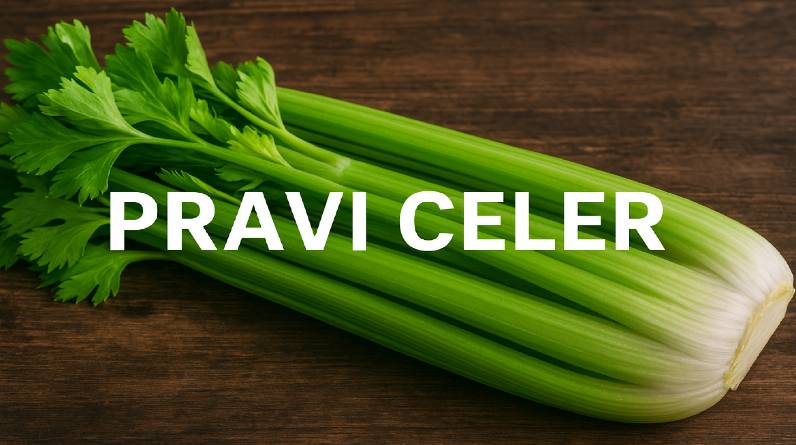
In today’s era of mindful eating and sustainability, few ingredients bridge flavor, health, and eco-consciousness as seamlessly as Pravi Celer. Known globally as celery, this crisp and refreshing vegetable has evolved from a humble kitchen staple to a superfood recognized for its nutritional power and culinary flexibility. While many know it as a soup or salad ingredient, few realize how versatile and forward-thinking this plant truly is in modern cuisine and sustainable living.
What Makes Pravi Celer Unique
Pravi Celer (Apium graveolens) stands out for its clean, slightly peppery taste and crunchy texture. Every part of the plant—from its stalks and leaves to its seeds—offers culinary and medicinal value. Its adaptability makes it a must-have ingredient across cultures, blending effortlessly into stews, smoothies, and even herbal remedies.
| Nutrient | Per 100g of Pravi Celer | Health Benefit |
| Vitamin K | 29.3 µg | Supports bone health |
| Vitamin C | 3.1 mg | Boosts immunity |
| Potassium | 260 mg | Regulates blood pressure |
| Fiber | 1.6 g | Aids digestion |
| Calories | 16 kcal | Promotes weight management |
This nutritional profile shows why chefs and dietitians alike are embracing it as both a flavor enhancer and a wellness booster.
The Nutritional Powerhouse You Didn’t Know You Needed
Beyond its crisp texture, Pravi Celer is a genuine functional food—meaning it nourishes and heals at the same time. Its high water content (about 95%) makes it an excellent hydrating vegetable, while antioxidants like apigenin and luteolin protect against inflammation and oxidative stress.
Key Health Benefits
- Heart Health: The potassium and fiber in Pravi Celer help reduce blood pressure and cholesterol.
- Bone Strength: Rich in vitamin K, it aids calcium absorption and bone density.
- Digestive Balance: Natural fiber supports gut flora and smooth digestion.
- Detoxification: Its diuretic properties help eliminate toxins naturally.
- Weight Management: Low in calories but high in fiber, it promotes satiety and helps maintain healthy weight goals.
From Ancient Medicine to Modern Superfood
Pravi Celer’s story dates back thousands of years. Ancient Egyptians and Greeks valued it not just as food but as medicine—believing it symbolized renewal and vitality. Romans used celery garlands to honor victors, while traditional Chinese medicine incorporated it to calm the liver and lower blood pressure.
Fast forward to the 21st century, celery has made a comeback in the form of the celery juice trend, praised by wellness communities for its detoxifying properties. But beyond fads, its true power lies in its adaptability—whether eaten raw, sautéed, juiced, or even fermented.
Culinary Creativity: How to Use Pravi Celer in Your Kitchen
Pravi Celer can transform simple dishes into gourmet experiences. Its fresh aroma adds a crisp counterpoint to rich foods, making it a favorite for chefs seeking balance in flavor and texture.
Everyday Uses
- Soups & Stews: Add chopped celery to mirepoix (a mix of onions, carrots, and celery) for a rich, aromatic base.
- Smoothies: Blend with cucumber, apple, and ginger for a refreshing morning detox.
- Salads: Pair with apples, walnuts, and lemon vinaigrette for a crunchy, tangy twist.
- Stir-fries: Slice thinly and toss with soy sauce and sesame oil for an Asian-inspired side.
- Snacks: Spread peanut butter or hummus on celery sticks for a quick, nutritious snack.
Gourmet Example
Creamy Celery Soup with Garlic Croutons – Simmer chopped Pravi Celer with onions, potatoes, and broth until soft. Blend and finish with a drizzle of olive oil. Serve with crisp garlic croutons for a restaurant-worthy meal.
Sustainability and Environmental Impact
In an age of climate awareness, Pravi Celer stands out as a low-impact crop. It requires minimal fertilizers, contributes to soil health, and thrives in diverse climates. Locally grown celery reduces carbon footprints and supports biodiversity by providing habitat for beneficial insects.
| Sustainability Factor | Impact |
| Water requirement | Moderate, easily sustainable with drip irrigation |
| Carbon footprint | Low compared to leafy greens |
| Waste ratio | Minimal (entire plant is usable) |
| Recyclability | Compostable and biodegradable |
Home gardeners also find celery rewarding to grow—it flourishes in cool weather, responds well to organic compost, and offers fresh harvests for months.
Pravi Celer as a Functional Ingredient of the Future
The modern shift toward functional foods—those offering specific health benefits—positions Pravi Celer as a futuristic ingredient. Its phytonutrient density and culinary versatility make it ideal for plant-based, low-calorie, and eco-friendly diets.
Emerging Uses in Food Innovation
- Celery Seed Extracts: Used in natural supplements for blood pressure regulation.
- Celery Salt: A flavorful, lower-sodium alternative to table salt.
- Fermented Celery Juices: Gaining popularity as natural probiotic drinks.
- Dehydrated Celery Flakes: Perfect for seasoning mixes and snacks.
Food scientists are exploring celery’s potential as a natural preservative, thanks to its antimicrobial compounds—offering cleaner, chemical-free food processing alternatives.
Common Myths About Pravi Celer
Despite its popularity, misconceptions persist. Let’s debunk a few:
- Myth: Celery has “negative calories.”
Fact: While very low in calories, it still provides essential nutrients; digestion doesn’t burn more calories than it provides. - Myth: Only the stalks are edible.
Fact: Leaves and seeds are highly nutritious and flavorful—use them in soups and dressings. - Myth: Celery juice alone detoxifies the body.
Fact: True detox relies on overall diet and hydration; celery contributes but isn’t a miracle cure.
Quick Tips for Buying and Storing
- Choose firm, pale green stalks with fresh leaves.
- Avoid limp or yellowing celery—it’s a sign of age.
- Store in a sealed bag in the refrigerator for up to two weeks.
- Revive wilted stalks by soaking them in cold water for 30 minutes.
Conclusion
Pravi Celer is more than just a crunchy sidekick—it’s a nutritional powerhouse and a sustainable hero of modern cooking. From ancient medicine to cutting-edge food science, its journey illustrates the timeless appeal of ingredients that nurture both body and planet. Whether you’re crafting hearty soups, hydrating smoothies, or gourmet entrées, this vibrant vegetable proves that simplicity and sophistication can thrive on the same plate.
Frequently Asked Questions (FAQs)
1. What is Pravi Celer?
Pravi Celer is the term for true celery (Apium graveolens), a versatile, low-calorie vegetable known for its crisp texture and rich nutritional value.
2. What are the top health benefits of eating Pravi Celer?
It supports digestion, heart health, bone strength, and hydration. Packed with vitamins K and C, potassium, and antioxidants, it also helps in managing weight.
3. Can Pravi Celer be eaten raw?
Yes. Pravi Celer can be enjoyed raw in salads or as a crunchy snack with dips. It retains maximum nutrients when consumed fresh.
4. Is Pravi Celer good for weight loss?
Absolutely. Being low in calories and high in fiber, it helps you feel full longer, making it a great addition to weight management diets.
5. How can I use Pravi Celer in cooking?
It can be added to soups, smoothies, stir-fries, and salads. The leaves and seeds can also be used in dressings or as seasoning.
6. What makes Pravi Celer sustainable?
Celery has a low carbon footprint, minimal waste, and can be locally grown using modest water and organic farming methods, supporting eco-friendly diets.
7. Are there any myths about Pravi Celer?
Yes. One common myth is that celery has “negative calories.” While low-calorie, it still provides valuable nutrients and doesn’t burn more calories than it contains.
8. How should I store Pravi Celer for freshness?
Keep it refrigerated in an airtight bag for up to two weeks. To refresh limp stalks, soak them in cold water before use.
For more insightful articles and the latest updates, keep visiting Hacoo.