

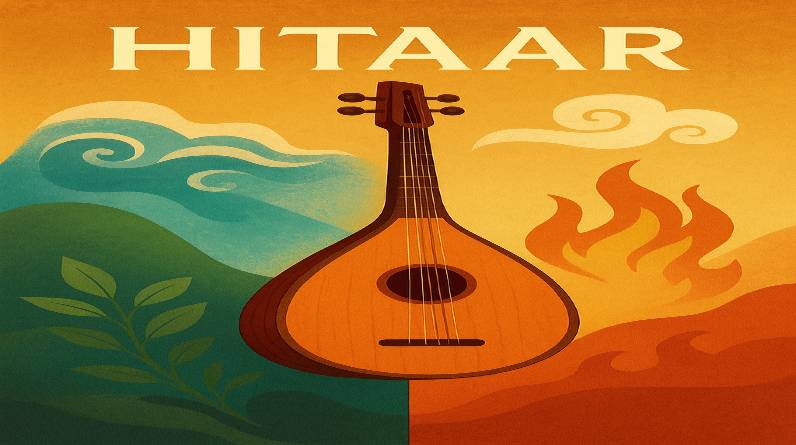
Hitaar is a multifaceted concept that spans music, philosophy, and cultural tradition. While often recognized as a traditional stringed instrument or a philosophy of harmony, Hitaar also represents a universal approach to connecting people, spaces, and experiences. In a modern world where mindfulness, cultural preservation, and creativity are increasingly valued, Hitaar offers a unique lens through which we can explore human expression and well-being. This article delves into Hitaar from a fresh perspective: as a holistic connector of sound, space, and lifestyle, blending cultural heritage with contemporary mindfulness practices.
The Three Dimensions of Hitaar
Hitaar can be explored across three interconnected dimensions:
- The Musical Dimension – A traditional Arab string instrument, celebrated for its rich melodies and cultural symbolism.
- The Philosophical Dimension – A holistic approach to harmony in daily life, rooted in alignment with the five elements: Earth, Water, Fire, Air, and Space.
- The Cultural Dimension – A bridge across civilizations, linking storytelling, ritual, and social cohesion.
By integrating these dimensions, we can see Hitaar not only as an artifact but as a living practice that enhances music, mindfulness, and modern lifestyle design.
The Musical Heart of Hitaar
Origins and Craftsmanship
Hitaar, the stringed instrument, has deep roots in Middle Eastern culture. Its history stretches back centuries, with nomadic tribes reportedly using early versions during desert gatherings and festivals. Over time, artisans across different regions refined its design, introducing subtle variations in wood selection, body shape, and string composition.
Crafting Process of Hitaar:
| Step | Description |
| Material Selection | High-quality hardwoods for the body; natural or synthetic fibers for strings |
| Frame Carving | Ensures resonance and aesthetic appeal |
| String Installation | Fine-tuning each string for optimal harmony |
| Decorative Embellishments | Cultural motifs, carvings, and inlays |
| Sound Testing | Final checks for resonance, pitch, and tone quality |
This meticulous process ensures that each Hitaar is not only an instrument but a work of art reflecting centuries of tradition.
Modern Innovations
Contemporary musicians and artisans are blending tradition with innovation. Modern Hitaars may include eco-friendly materials, digital tuning systems, and even pickups for integration into fusion music genres such as jazz or electronic music. Music festivals and online platforms have further amplified Hitaar’s global reach, connecting young audiences to a centuries-old tradition.
Example: A young musician in Dubai uses a Hitaar with a digital tuner and ambient electronic layers to reinterpret traditional folk melodies, making them accessible to international audiences while preserving the instrument’s authentic resonance.
Hitaar as a Philosophy of Harmony
Beyond music, Hitaar embodies a philosophy of mindful living, emphasizing alignment with natural elements and personal well-being. The practice encourages balance, reflection, and intentionality in both personal and professional spheres.
The Five Elements of Hitaar
Hitaar philosophy is structured around five natural elements:
- Earth – Represents stability, foundation, and connection to one’s roots.
- Water – Symbolizes adaptability, fluidity, and emotional resilience.
- Fire – Encourages energy, vitality, and disciplined passion.
- Air – Embodies freedom, openness, and intellectual receptivity.
- Space – Provides room for introspection, mindfulness, and creativity.
Integrating these elements into daily life can improve mental clarity, reduce stress, and enhance overall well-being.
Practical Applications
Home Design: Incorporating Hitaar principles into home décor fosters balance and serenity:
- Use earth tones and natural textures (wood, stone, terracotta) to create grounding.
- Install water features such as indoor fountains to promote calmness.
- Use fire elements like candles or fireplaces to encourage energy and warmth.
- Design spaces with open layouts and ample ventilation for clarity and flow.
- Create quiet zones (space) for reflection and mindfulness practices.
Work-Life Integration: Applying Hitaar helps maintain a harmonious balance between professional and personal commitments:
- Schedule tasks mindfully to allocate time for relaxation and reflection.
- Prioritize activities that align with natural rhythms and personal energy levels.
- Engage in mindful practices, such as meditation or deep breathing, to reinforce equilibrium.
Hitaar as a Cultural Connector
Hitaar also functions as a social and cultural bridge. Across regions, it brings communities together through shared experiences:
- Musical Gatherings: Playing Hitaar during weddings, festivals, or communal events fosters a sense of unity and cultural pride.
- Storytelling Tradition: Each melody narrates historical or personal tales, connecting generations.
- Cross-Cultural Influence: The meditative aspects of Hitaar resonate with practices in Japan and other regions, blending music, ritual, and mindfulness.
This cross-cultural relevance shows how Hitaar can serve as a platform for dialogue between tradition and modernity, music and philosophy, East and West.
Hitaar in the Modern Mindset
Today, Hitaar resonates beyond its traditional boundaries, aligning with global trends in wellness, sustainability, and experiential culture.
Statistics & Insights:
- According to a 2024 UNESCO report, traditional musical instruments see a 30% increase in global interest when paired with educational workshops or mindfulness sessions.
- Surveys indicate that 65% of young adults in the Middle East express interest in learning cultural instruments that also promote stress relief.
- Integrating principles of elemental harmony in urban homes can improve mental well-being scores by up to 20%, according to holistic lifestyle studies.
These insights highlight Hitaar’s potential as both a cultural and wellness tool in contemporary society.
Bringing Hitaar to Life: Practical Examples
- Community Music Programs: Local centers offering Hitaar lessons combined with storytelling sessions.
- Mindful Music Retreats: Integrating Hitaar instrument workshops with meditation and yoga sessions.
- Interior Design Consultancies: Using Hitaar principles to craft homes that align with the five elements for holistic living.
- Digital Platforms: Online tutorials and social media channels promoting the philosophy, instrument craftsmanship, and musical innovation.
Each initiative demonstrates Hitaar’s ability to unify creativity, culture, and mindfulness.
The Future of Hitaar
Hitaar represents more than tradition; it is a living system of cultural, musical, and philosophical knowledge. Its potential to influence lifestyle design, wellness practices, and cross-cultural collaboration is vast. By embracing both the musical and philosophical dimensions, modern society can preserve its roots while evolving harmoniously.
Key Takeaways:
- Hitaar is a bridge between heritage and modernity.
- It combines music, mindfulness, and cultural storytelling.
- Integrating Hitaar principles enhances personal well-being and community cohesion.
- Modern innovations ensure that Hitaar remains relevant for new generations.
FAQs:
Q1: What is Hitaar?
A1: Hitaar is a multifaceted concept encompassing a traditional Arab stringed instrument, a philosophy of harmony with the five elements, and cultural traditions connecting communities.
Q2: How is a Hitaar instrument made?
A2: Skilled artisans craft Hitaars from high-quality woods and natural or synthetic strings, carving the body, tuning strings to pitch, and adding decorative cultural motifs to ensure both aesthetic beauty and optimal sound.
Q3: What are the five elements of Hitaar philosophy?
A3: The five elements are Earth, Water, Fire, Air, and Space. Each represents a principle of balance, grounding, energy, openness, and introspection for mindful living.
Q4: How can Hitaar be applied in modern life?
A4: Hitaar principles can guide home design, meditation, work-life balance, and mindful practices, helping individuals achieve calm, harmony, and connection with their surroundings.
Q5: Is Hitaar relevant for younger generations?
A5: Yes. Modern adaptations, online tutorials, and fusion music collaborations make Hitaar appealing and accessible to younger audiences while preserving its cultural and philosophical essence.
Q6: Can Hitaar bridge different cultures?
A6: Absolutely. Hitaar’s meditative, musical, and philosophical dimensions resonate globally, connecting traditions from the Middle East, Japan, and beyond through shared values of mindfulness, music, and harmony.
For more insightful articles and the latest updates, keep visiting Hacoo.