

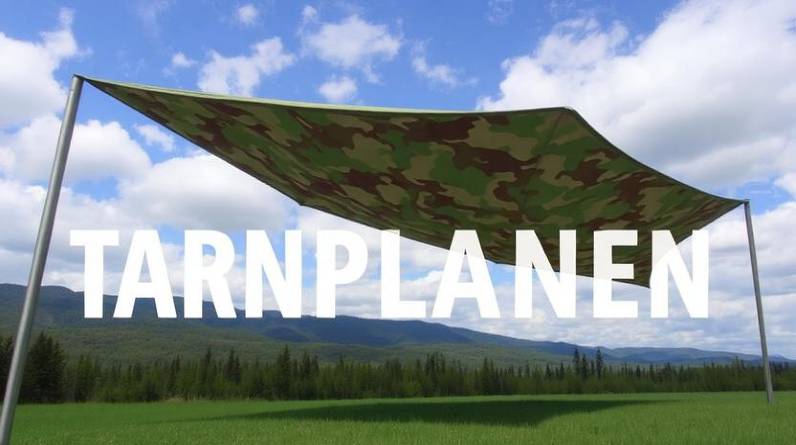
The term tarnplanen may appear simple at first glance, but its meaning and relevance stretch far beyond a basic outdoor tarp. Rooted in German military innovation, tarnplanen represents a broader philosophy of blending in, staying protected, and adapting to the environment—whether on a battlefield, deep in the wilderness, or during modern outdoor and emergency use.
Interestingly, recent online usage of the term has also introduced confusion, with “tarnplanen” sometimes described as a natural destination rather than equipment. This article takes a clear, fact-based approach, grounding tarnplanen in its original and correct context while also exploring a fresh perspective: how tarnplanen reflects a growing global need for low-visibility, sustainable, and multi-purpose outdoor solutions.
What Is Tarnplanen? (Clarifying the Meaning)
At its core, tarnplanen is a German term formed from:
- “Tarn” meaning camouflage
- “Planen” meaning tarpaulins or covers
Together, tarnplanen refers to camouflage tarpaulins designed to conceal people, equipment, and structures while protecting them from environmental exposure.
Unlike ordinary tarps, tarnplanen are purpose-built table coverings for:
- Visual concealment
- Weather resistance
- Tactical and survival efficiency
They are widely used across Europe, particularly in Germany, and have become increasingly popular worldwide among campers, survivalists, hunters, and photographers.
Why Tarnplanen Is Still Relevant Today
In an era of advanced surveillance, extreme weather, and growing outdoor recreation, tarnplanen has evolved from a military tool into a civilian essential.
Modern Relevance Drivers
- Increased outdoor and adventure travel
- Climate unpredictability
- Emergency preparedness culture
- Demand for lightweight, multi-use gear
Rather than being a niche military product, tarnplanen now sits at the intersection of outdoor safety, environmental awareness, and tactical design.
How Tarnplanen Differs From Regular Tarps
| Feature | Regular Tarp | Tarnplanen |
| Camouflage | No | Yes (terrain-specific) |
| UV Resistance | Limited | High |
| Tear Resistance | Moderate | High (ripstop or reinforced fabric) |
| Use Case | General covering | Tactical, survival, outdoor concealment |
| Durability | Short-term | Multi-season |
This distinction explains why tarnplanen is favored in demanding environments where failure is not an option.
Materials That Make Tarnplanen Effective
Polyester and Nylon (Modern Standard)
These synthetic materials dominate today’s tarnplanen market.
Key benefits:
- Lightweight and packable
- Fast drying
- Resistant to tearing
- Often coated with PVC or PU for waterproofing
These are ideal for hikers, emergency kits, and mobile field use.
Canvas and Cotton Blends (Traditional Strength)
Heavier but extremely durable, canvas tarnplanen offer:
- Natural breathability
- Better noise reduction (important in hunting)
- Long lifespan in fixed setups
They are commonly used for semi-permanent camps or long-term outdoor shelters.
Reinforced Construction
High-quality tarnplanen always include:
- Rust-resistant grommets
- Reinforced edges
- Even grommet spacing to distribute tension
This design prevents tearing during wind, rain, or prolonged exposure.
Camouflage Patterns and Environmental Matching
Choosing the right camouflage is not about aesthetics—it directly affects effectiveness.
Common Tarnplanen Patterns
- Woodland camo: Forests, grasslands
- Desert camo: Dry, open terrain
- Urban camo: Concrete, industrial zones
- Digital camo: Sensor-disruptive, modern tactical use
Practical Example
A wildlife photographer using woodland camo in a dry, sandy area is more visible than someone using desert tones. Tarnplanen works best when the environment dictates the design.
Real-World Applications of Tarnplanen
Military and Tactical Operations
Originally designed for armed forces, tarnplanen is used to:
- Conceal vehicles and weapons
- Hide observation posts
- Reduce visibility from aerial and ground surveillance
Some advanced designs even help reduce detection from infrared equipment.
Camping, Hiking, and Survival
Outdoor enthusiasts use tarnplanen to:
- Build lean-to shelters
- Create emergency rain covers
- Protect sleeping gear
- Serve as ground sheets
In survival situations, this single item can replace multiple pieces of gear.
Hunting and Wildlife Photography
Stealth is essential in these fields. Tarnplanen helps by:
- Breaking up human outlines
- Reducing movement visibility
- Allowing closer animal observation without disturbance
Disaster Response and Emergency Use (Emerging Trend)
A growing application not widely discussed:
- Temporary shelters during floods or earthquakes
- Equipment protection in relief camps
- Privacy screens in emergency medical zones
This highlights tarnplanen’s expanding role beyond recreation and military use.
Psychological Advantage: The Hidden Benefit of Tarnplanen
A lesser-discussed aspect is mental security.
Being concealed:
- Reduces stress
- Improves focus
- Enhances confidence in hostile or unfamiliar environments
This psychological edge is valuable not only in combat but also in survival and solo outdoor scenarios.
How to Choose the Right Tarnplanen
Size and Shape
- Small (2×3 m): Solo campers, emergency kits
- Medium (3×4 m): Shelters, gear coverage
- Large (4×6 m+): Vehicles, group camps
Rectangular designs offer more shelter flexibility than square ones.
Buying Checklist
- Waterproof rating
- UV protection
- Weight vs durability balance
- Reinforced edges and grommets
- Terrain-appropriate camouflage
Military surplus stores and specialized outdoor retailers tend to offer the most reliable options.
Legal and Ethical Considerations
In most countries, owning tarnplanen is legal. However:
- Certain military camouflage patterns may be restricted
- Hunting camouflage must comply with local regulations
- Protected natural areas may limit concealment structures
Always check local laws before use, especially in public spaces.
Clearing the Confusion Around “Tarnplanen” as a Place
Some online articles incorrectly describe tarnplanen as a scenic natural destination. While “tarn” does refer to mountain lakes in English geography, tarnplanen is not a geographic location.
This misconception likely arises from:
- Misinterpretation of the word “tarn”
- SEO misuse of the term
- Lack of linguistic context
From a factual standpoint, tarnplanen remains a functional product, not a destination.
The Future of Tarnplanen
As outdoor lifestyles grow and environmental challenges increase, tarnplanen is evolving:
- Lighter materials
- Eco-friendly coatings
- Modular designs
- Dual-use civilian and emergency applications
Its adaptability ensures it will remain relevant for years to come.
Final Thoughts
Tarnplanen is not just a camouflage tarp—it is a versatile survival tool, a protective shield, and a symbol of smart adaptation to nature and risk. Whether used by soldiers, campers, photographers, or emergency responders, its value lies in simplicity combined with intelligent design.
In a world that increasingly demands resilience and discretion, tarnplanen proves that sometimes the most effective solutions are also the most understated.
Frequently Asked Questions (FAQs)
What exactly is Tarnplanen?
Tarnplanen is a German term for camouflage tarpaulins designed to provide concealment and protection in outdoor, tactical, and survival environments.
How is Tarnplanen different from a regular tarp?
Unlike regular tarps, Tarnplanen uses camouflage patterns, reinforced materials, and weather-resistant coatings to blend into surroundings while offering superior durability.
Is Tarnplanen suitable for camping and hiking?
Yes, Tarnplanen is widely used by campers and hikers for building shelters, covering gear, and creating ground sheets due to its lightweight and waterproof nature.
Can Tarnplanen be used in extreme weather conditions?
High-quality Tarnplanen can withstand rain, strong winds, sun exposure, and cold conditions when properly secured and maintained.
Which material is best for Tarnplanen—canvas or synthetic fabric?
Synthetic materials like polyester or nylon are better for portability and quick drying, while canvas is ideal for long-term, stationary use due to its durability and breathability.
Are Tarnplanen legal to use everywhere?
Generally, yes. However, certain camouflage patterns or uses may be restricted in protected areas or during hunting activities. Always check local regulations.
What size Tarnplanen should I choose?
Small sizes work for solo use, medium sizes for shelters, and larger sizes for covering vehicles or group camps. Choose based on your intended application.
For more insightful articles and the latest updates, keep visiting Hacoo.