

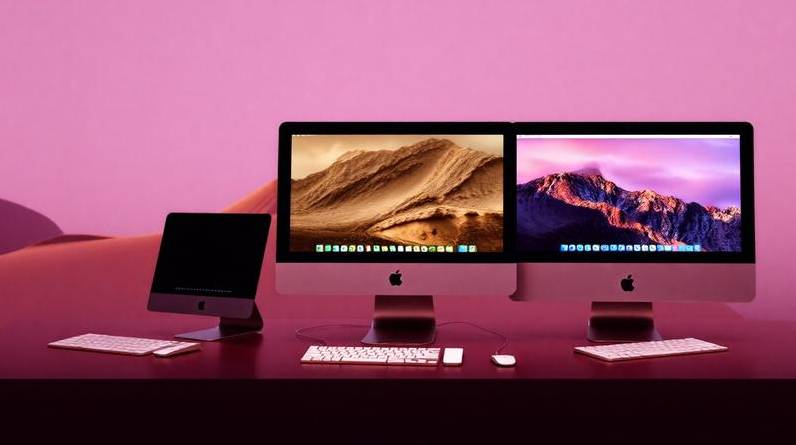
In the evolving world of personal computing, Mac računala (Mac computers) stand out as a benchmark of performance, design, and user experience. Apple’s integrated approach to hardware and software has redefined what users expect from a computer, offering seamless ecosystem integration, long-term reliability, and industry-leading performance. In this guide, we explore Mac računala from historical origins to the latest 2025 models powered by the M4 chip, while providing actionable insights for buyers and professionals alike.
The Legacy of Mac Računala
Mac computers were first introduced in 1984 with the Macintosh 128K, pioneering the graphical user interface (GUI) that replaced text-based commands with icons and windows. This innovation made computing more accessible to the public and set Apple apart from other PC manufacturers.
Key milestones include:
- 1998 – iMac G3: A colorful all-in-one design that revolutionized desktop aesthetics.
- 2006 – Transition to Intel: Improved software compatibility and performance.
- 2011 – MacBook Air: Introduced ultra-portable laptops without compromising power.
- 2020 – Apple Silicon M1: Integrated CPU, GPU, and RAM in a single chip, enhancing speed and efficiency.
- 2025 – Apple Silicon M4: The latest generation delivering a 45% performance leap over M3 in multi-core benchmarks.
These milestones reflect Apple’s commitment to combining cutting-edge technology with elegant design, making Mac računala a trusted choice for professionals, students, and creatives.
Why Mac Računala Stand Out
Seamless Ecosystem Integration
One of the most compelling advantages of Mac computers is their integration within the Apple ecosystem. Features like Handoff, AirDrop, and Universal Clipboard allow users to transition smoothly between Mac, iPhone, iPad, and Apple Watch.
Example: A student can start an essay on a MacBook Air, continue editing on an iPad, and reference research notes from an iPhone without missing a beat.
Security and Privacy at Its Core
macOS is built on a Unix-based architecture, offering robust protection against malware and unauthorized access. Apple integrates security features directly into its hardware and software:
- Gatekeeper: Ensures only trusted apps are installed.
- FileVault: Encrypts the entire disk for data protection.
- Apple Intelligence (macOS Sequoia): Provides AI-driven tools for organization while maintaining on-device privacy.
This makes Macs especially appealing for professionals handling sensitive data, including designers, developers, and educators.
Performance and the Apple Silicon Revolution
Apple’s transition from Intel processors to its custom Apple Silicon (M1, M2, M3, M4) has transformed Mac performance.
Key advantages of Apple Silicon:
- Unified Memory: CPU and GPU share the same memory pool for faster data access.
- Energy Efficiency: Extended battery life even during intensive tasks.
- Built-in Security: Hardware-level protection against malware.
2025 Benchmark Insights (Geekbench 6 Multi-Core Scores):
| Chip | Multi-Core Score | Performance Gain vs Previous Gen |
| M3 Pro | 15,831 | — |
| M4 Pro | 22,914 | +45% |
| M4 Max | 23,802 | Optimized for GPU-intensive workflows |
These numbers demonstrate the substantial leap in computing power, particularly for professional workflows like 3D rendering, video production, and software development.
Superior Build and User-Friendly Design
Mac računala are known for premium materials like aluminum unibody frames, Retina displays with vibrant color accuracy, and responsive keyboards and trackpads.
Example: Graphic designers benefit from iMac M4’s 4.5K Retina display, which offers precise color representation for photo and video editing, while MacBook Pro M4’s advanced cooling system ensures stable performance during long rendering sessions.
Choosing the Right Mac Računalo
Apple offers a diverse lineup to cater to different user needs.
MacBook Air M4
- Target Users: Students, mobile professionals, and casual users.
- Key Features: Lightweight, battery life over 15 hours, efficient M4 chip.
- Example Use Case: Perfect for attending online classes, writing reports, or light video editing.
MacBook Pro M4
- Target Users: Video editors, software developers, musicians.
- Key Features: High-resolution displays, advanced cooling, sustained performance.
- Example Use Case: Editing 4K video projects or running multiple professional apps simultaneously.
Mac Studio M4 Max
- Target Users: Content creators requiring workstation-level performance.
- Key Features: GPU power for 3D rendering, dual ProRes accelerators, thermal optimization.
- Performance Insight: Outperforms high-end desktops like Intel Core i9-14900KF in rendering tasks.
Mac Mini & iMac
- Mac Mini: Compact and cost-effective, suitable for home offices and development.
- iMac M4: Combines strong performance with a visually stunning 4.5K Retina display, ideal for creative professionals.
Key Buying Tips
- Prioritize Unified Memory (RAM) since it cannot be upgraded later. Minimum 16GB recommended, 36GB for professional tasks.
- Consider battery life and thermal performance for portable models.
- Factor in Total Cost of Ownership (TCO): longevity, resale value, and maintenance savings often offset higher upfront costs.
macOS Sequoia and AI Integration
The latest macOS Sequoia (15.3.2) introduces Apple Intelligence, integrating AI directly into workflows while preserving privacy. Features include:
- Battery Health Management: Extends battery lifespan via optimized charging.
- AI-Assisted Tools: Helps with organization, writing, and search.
- Ecosystem Integration: Seamless continuity between Mac, iPhone, iPad, and Apple Watch.
These innovations enhance productivity for both casual and professional users.
Mac Računala vs Windows PCs
| Feature | Mac | Windows PC |
| Ecosystem Integration | Excellent | Moderate |
| Build Quality | Premium (Aluminum, Retina Display) | Varies by manufacturer |
| Software Updates | 6–8 years | Typically 3–5 years |
| Security | Strong, built-in | Moderate, depends on antivirus |
| Gaming | Limited | Extensive options |
| Flexibility/Customization | Limited | Extensive |
Takeaway: Macs excel in integration, stability, and long-term value, while Windows PCs provide customization and gaming flexibility.
Tips for Maintaining Your Mac
- Keep macOS updated for security and performance.
- Manage storage with external drives for large projects.
- Clean vents and keyboard with compressed air.
- For MacBooks, avoid extreme temperatures and maintain smart charging habits.
Following these practices ensures a Mac lasts 6–8 years or longer, preserving performance and resale value.
The Future of Mac Računala
Apple continues to refine Apple Silicon with AI and machine learning capabilities. Future Macs may feature:
- More energy-efficient processors.
- Advanced display technologies.
- Extended battery life.
- Deeper integration with AR/VR and emerging applications.
With sustainability goals like carbon neutrality by 2030, Mac računala are set to remain a benchmark for performance, reliability, and design.
Conclusion
Mac računala are more than just computers—they are a long-term investment in productivity, security, and design excellence. From students and creatives to professionals and businesses, Macs deliver a cohesive, high-performance experience that Windows PCs often struggle to match. Understanding the latest models, Apple Silicon performance, and ecosystem benefits helps users make informed choices and ensures maximum value for years to come.
FAQs about Mac Računala:
- What is a Mac računalo?
A Mac računalo is an Apple personal computer, known for premium design, high performance, and the intuitive macOS operating system. Models include MacBook Air, MacBook Pro, iMac, Mac Mini, Mac Studio, and Mac Pro. - Why should I choose a Mac over a Windows PC?
Macs offer seamless integration with other Apple devices, superior security, long-term software support, and high resale value. Windows PCs provide more hardware flexibility and gaming options. - How long do Mac računala last?
With proper care and regular updates, Macs can last 6–8 years or more, maintaining performance and security throughout their lifecycle. - Which Mac is best for students?
The MacBook Air M4 is ideal for students due to its lightweight design, long battery life, and sufficient performance for everyday tasks, online classes, and creative projects. - Are Macs suitable for professional video editing and 3D rendering?
Yes, MacBook Pro M4, Mac Studio M4 Max, and iMac M4 offer workstation-level performance, Retina displays, and Apple Silicon chips optimized for demanding creative workflows. - Can Macs run Windows applications?
Yes, using tools like Parallels Desktop or Microsoft Remote Desktop, you can securely run Windows applications on a Mac. - How do I maintain my Mac for longevity?
Regularly update macOS, manage storage, clean vents and keyboard, and follow smart battery habits to ensure 6–8 years of reliable performance. - What makes Apple Silicon (M1–M4) special?
Apple Silicon integrates CPU, GPU, Neural Engine, and memory in a single chip, delivering faster performance, lower latency, energy efficiency, and built-in hardware security.
For more insightful articles and the latest updates, keep visiting Hacoo.