
In a digital economy defined by speed, automation, and constant disruption, most platforms promise efficiency. Far fewer address how decisions should be made when technology advances faster than ethics, trust, and long-term value. This is where Dihward stands apart.
Rather than positioning Dihward only as a tool, brand, or mindset, a more useful way to understand it is as a decision-centered framework that aligns technology, governance, and human judgment into one coherent system. This perspective reframes Dihward not merely as something you use, but as how you decide while operating in complex digital environments.
This article explores Dihward from a fresh angle not previously covered: its role as a decision architecture for responsible digital growth.
What Is Dihward? A Brief Context
Dihward is best understood as a multi-layered concept with three interconnected dimensions.
It functions as a digital ecosystem that unifies artificial intelligence, cloud computing, cybersecurity, collaboration tools, and digital marketing.
It operates as a framework for ethical adaptability, emphasizing resilience, accountability, and value-driven innovation.
It also acts as a flexible identity that can exist as a platform, brand, mindset, or operational model depending on context.
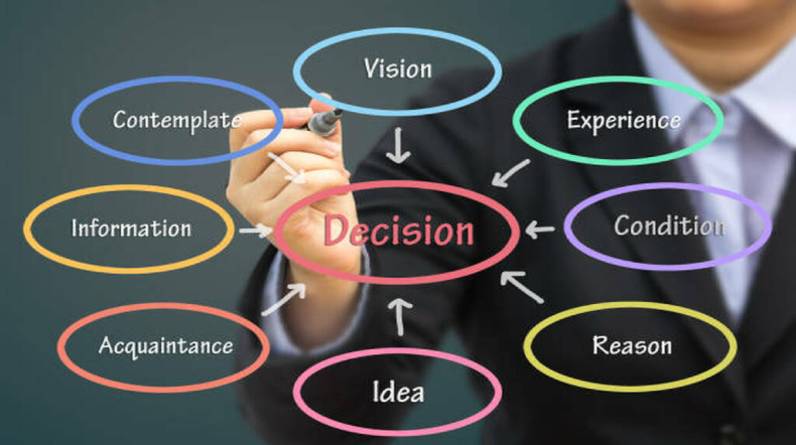
While most discussions focus on what Dihward includes, this article focuses on what Dihward enables: better decisions under pressure, scale, and uncertainty.
Why Decision-Making Is the Missing Link in Digital Transformation
Digital transformation initiatives often fail not because of weak technology, but because of weak decision structures. Organizations adopt advanced tools without clarity around responsibility, ethics, or long-term consequences.
Common gaps include unclear ownership of ethical accountability, poor evaluation of trade-offs, excessive reliance on automation, and lack of guiding values during rapid scaling.
Dihward addresses these issues by embedding decision logic directly into digital systems. Instead of asking “What tools should we adopt?”, Dihward reframes the question to “How should we make consistent, ethical, and scalable decisions using technology?”
Dihward as a Decision Architecture
Value-Anchored Decisions
At the core of Dihward is value anchoring. Every action, whether automated or human-led, is guided by predefined ethical foundations.
This is critical because algorithms amplify human priorities, automation can scale bias, and speed without values often erodes trust. Dihward transforms ethics from a policy document into a practical decision constraint that shapes innovation.
Structured Flexibility
Dihward does not promote rigidity. Instead, it supports adaptability within structure.
Organizations can pivot strategies without abandoning principles. Automation operates within moral boundaries. Innovation accelerates without compromising integrity.
This balance allows businesses to respond to change without losing their identity.
How Dihward Translates Decisions Into Technology
A Unified Digital Ecosystem
Dihward’s platform model integrates essential digital functions into one environment, eliminating fragmentation that often leads to inconsistent decision-making.
Typical components include project and task management, secure cloud storage, integrated communication and scheduling, AI-powered automation, analytics, and digital marketing tools.
Because all decisions are made within a shared system, teams operate with context rather than isolated data.
AI as Decision Support, Not Decision Replacement
A defining feature of Dihward is its approach to artificial intelligence.
AI is used to identify patterns, automate low-risk tasks, generate insights, and support scenario analysis. Final accountability remains human.
For example, if AI detects declining customer engagement, it may suggest corrective actions. However, Dihward requires human review to ensure decisions align with brand values, trust standards, and long-term goals.
Governance Embedded in Daily Operations
Built-In Accountability
Dihward integrates governance into everyday workflows. Decisions are traceable, responsibility is assigned, and transparency is maintained.
This reduces risks related to data misuse, AI bias, regulatory non-compliance, and reputational damage.
Consistent Decision Narratives
Another core aspect of Dihward is consistent storytelling. Decisions across product design, marketing, data usage, and customer engagement follow the same guiding logic.
Consistency strengthens trust and prevents fragmented brand experiences.
Real-World Applications Across Industries
Business and Startups
For businesses, Dihward acts as a scaling compass.
It reduces vendor complexity, improves clarity in decision ownership, embeds ethics early, and supports sustainable growth. Startups benefit especially by setting strong foundations before scale magnifies errors.
Education and Leadership Development
Educational institutions applying Dihward principles focus on data-informed learning, emotional intelligence, and ethical leadership. Students are prepared not just to use technology, but to govern it responsibly.
Digital Marketing and Brand Strategy
In marketing, Dihward shifts focus from short-term performance metrics to sustainable engagement.
AI improves targeting and optimization, transparency builds trust, automation respects user consent, and brand voice remains consistent across channels.
This approach often delivers stronger long-term returns than purely paid strategies.
Cultural and Creative Industries
Creative industries benefit from Dihward’s emphasis on integration rather than replacement.
Tradition and innovation coexist, sustainability is prioritized, ethical commercialization is encouraged, and inclusive participation becomes a strategic advantage.
Comparing Traditional Models vs. Dihward
| Dimension | Traditional Digital Models | Dihward Approach |
| Decision-making | Reactive and tool-driven | Value-driven and structured |
| Ethics | Post-implementation compliance | Core operational principle |
| AI usage | Automation-first | Human-guided intelligence |
| Scalability | Fast but fragile | Sustainable and resilient |
| Brand trust | Short-term focus | Long-term credibility |
Challenges and How Dihward Addresses Them
One challenge is ambiguity. Because Dihward adapts across contexts, newcomers may struggle to define it. Framing it as a decision framework resolves this by giving internal clarity without sacrificing flexibility.
Resistance to change is another barrier. Dihward mitigates this through centralized tools, modular adoption, intuitive interfaces, and support for non-technical users.
There is also the risk of buzzword fatigue. Dihward avoids this by tying its principles to measurable outcomes such as transparency, efficiency, trust, and long-term performance.
Why Dihward Matters in the Coming Digital Era
As AI regulation tightens, privacy expectations increase, and trust becomes harder to earn, organizations need more than faster tools. They need better systems for making decisions.
Dihward’s relevance lies in its ability to guide innovation without ethical erosion, automation without loss of accountability, and growth without sacrificing credibility.
Final Thoughts
Dihward is not just a platform, a philosophy, or a brand. It is a decision-centered operating model designed for the realities of modern digital life.
By turning ethics into action, governance into daily practice, and AI into responsible support, Dihward offers a forward-looking path for organizations seeking not only growth, but trustworthy and sustainable growth.
Frequently Asked Questions (FAQs)
- What exactly is Dihward?
Dihward is a decision-centered digital framework that combines ethical principles, adaptability, and advanced technologies like AI, cloud computing, and cybersecurity. It helps individuals and organizations make consistent, responsible, and scalable decisions in complex digital environments. - Is Dihward a platform, a concept, or a brand?
Dihward can function as all three. It operates as a unified digital platform, a guiding framework for ethical decision-making, and a flexible brand identity depending on how it is applied across industries. - How does Dihward differ from traditional digital platforms?
Traditional platforms focus mainly on tools and automation. Dihward emphasizes value-driven decision-making, human accountability, and ethical governance alongside technological efficiency. - Can small businesses and startups use Dihward?
Yes. Dihward is designed to scale. Startups and small businesses benefit from its modular structure, centralized tools, and built-in ethical guidance, which help prevent costly mistakes as they grow. - How does Dihward use artificial intelligence?
Dihward uses AI as a decision-support system rather than a decision-maker. AI assists with automation, analytics, and pattern detection, while humans retain final responsibility and ethical oversight. - Does Dihward help with digital marketing?
Yes. Dihward improves digital marketing through AI-driven analytics, ethical audience targeting, cross-channel integration, and consistent brand messaging that prioritizes long-term trust over short-term clicks. - Why is Dihward relevant for the future of digital innovation?
As AI regulation, data privacy, and trust expectations increase, Dihward provides a structured way to innovate responsibly. It enables growth without compromising integrity, transparency, or accountability.
For more insightful articles and the latest updates, keep visiting Hacoo.